
How stress shows up
You wake with your mind already running through the day. Your shoulders stay tight after work. You’re tired by evening and still can’t settle at bedtime. For some people stress lands in the stomach, for others as headaches or a shorter fuse. Many describe a constant sense of being on alert, even when nothing urgent is happening.
If that sounds familiar, you may simply want to feel more settled in your own body. At Newburyport Acupuncture, Susan Patten takes time to understand what you’re experiencing, how it began and what else might be feeding it. Her care draws on Five Element and Eight Principle acupuncture to build a plan around you.
What stress does to the body
Stress is a normal response to a challenge. It sharpens attention and helps you act. Trouble starts when that urgency outlasts the situation that caused it. Muscles stay tense, sleep turns light and small frustrations feel bigger than they should.
It looks different in everyone. One person gets a headache at the end of a hard week. Another notices a tight jaw and shallow breathing, or an unsettled stomach before a big meeting. Stress can also make an existing pain problem harder to live with. These experiences deserve to be taken seriously, especially once they start affecting work, relationships or daily routines.
Persistent anxiety has many possible causes, including medical conditions, medications, life circumstances and mental health disorders. If your symptoms are new, severe or changing, a medical or mental health assessment is an important part of understanding them.
What the research says
Some clinical studies report less anxiety after acupuncture. A 2026 systematic review in the Journal of Clinical Psychology pooled 20 randomized trials with 1,462 participants and found improvements in short-term anxiety scores compared with sham acupuncture, usual care or wait-list groups. The trials varied a lot in their methods, and the authors called for more research on long-term effects.
The National Center for Complementary and Integrative Health notes that the evidence on acupuncture and anxiety is limited and that much of it has been of low quality. Taken together, there is room for cautious interest and no basis for promising a particular result. Something one person finds helpful may do little for someone else.
A useful question to ask yourself is what you hope will change. Fewer tension headaches? Easier evenings? More capacity to get through a demanding week? A clear goal makes it much easier to judge whether treatment is worth continuing.

Why Susan looks beyond a single symptom
Two people can both call themselves anxious and have very different experiences. One feels restless, overheated and can’t fall asleep. The other feels exhausted, cold and overwhelmed by ordinary tasks. What led each of them there may differ too.
Susan’s consultation covers your main concern along with sleep, appetite, digestion, energy, temperature, health history and anything else that seems relevant. She may ask when symptoms are strongest, what eases them and whether they began after a particular event or illness.
Five Element acupuncture considers patterns linked with Wood, Fire, Earth, Metal and Water. Eight Principle diagnosis uses four paired categories to organize what she observes. These traditional patterns are distinct from a diagnosis of generalized anxiety disorder, depression or thyroid disease, and Susan’s care can run alongside your doctor or therapist. Our guide to Five Element and Eight Principle acupuncture explains both.
“I didn’t have a moment where I was scared or in panic. I fell asleep.”
J.H., first-time patient
Stress, sleep and headaches
Many people come in for one symptom and realize several have been travelling together. Stress makes it hard to fall asleep. Poor sleep makes daytime demands harder. Muscle tension can bring on headaches or neck pain, and menopause can add another layer.
Seeing those links has a practical benefit: you can track more than one sign of progress. Your evenings may ease before the main symptom does. Or your sleep may improve while daytime anxiety still needs more support.
If sleep is a big part of the picture, read acupuncture for insomnia and sleep. For recurring head pain, see acupuncture for migraines and tension headaches.
What an appointment is like
Your 90-minute first visit begins with conversation. Susan will ask what brought you in, how long you’ve felt this way, what you’ve tried and what you’d most like to change. She’ll also ask about medications, diagnoses and other care you receive.
She then explains her assessment and plan. The needles are very fine, and you may notice a brief pinch, warmth or tingling. Tell her right away if anything is uncomfortable. During the resting part of the session many people feel noticeably calmer. One first-time patient with a lifelong needle phobia wrote that she “fell asleep.”
Let Susan know about any history of fainting with needles, bleeding disorders, blood thinners, pregnancy or implanted devices. Serious complications are uncommon when acupuncture is done properly with sterile, single-use needles, but no treatment is entirely risk-free.
How many sessions might help?
There is no standard schedule for stress or anxiety. Frequency depends on your symptoms, your other health concerns and how you respond. Susan will suggest a starting plan and adjust it as you go.
Agree up front on how you’ll judge results. A simple weekly note of sleep quality, headaches, physical tension or the days anxiety got in the way works well. If symptoms persist or worsen, talk with your medical or mental health clinician about next steps. You should never feel you have to keep coming without reviewing whether it helps.
What else helps
Acupuncture can be one part of a wider plan. Regular sleep and wake times, movement you enjoy, enough food and water, time outdoors and less caffeine late in the day are good places to start. Support from friends, family or a therapist matters too. Susan also teaches meditation, one to one and in small groups, drawing on 40 years of her own practice.
For an anxiety disorder, psychotherapy (especially cognitive behavioral therapy) and medication when appropriate remain the established treatments. If you have panic attacks, significant avoidance or anxiety that disrupts daily life, get a qualified assessment. Chest pain, severe shortness of breath or other urgent symptoms need prompt medical attention.
Acupuncture for stress in Newburyport
Newburyport Acupuncture is at 37½ Forrester Street and welcomes people from Newburyport, Amesbury, Rowley, Ipswich and across the North Shore and southern New Hampshire. You’re welcome to call with questions first, including whether acupuncture suits your situation and how it might fit with your other care: 978-465-5036.
Frequently asked questions
Does acupuncture help with anxiety?
Some trials report short-term improvements in anxiety symptoms, but study quality and methods vary and long-term effects are uncertain. Acupuncture is best used as complementary care alongside established anxiety treatment.
Can acupuncture help if stress is affecting my sleep?
Stress and poor sleep often go together, and some people explore acupuncture for both. Evidence for treating insomnia is still uncertain, and persistent sleep problems deserve their own assessment.
Will the needles hurt?
You may feel a brief prick or a dull sensation when a needle goes in. Tell Susan if anything is uncomfortable. She uses sterile, single-use needles.
Do I need an anxiety diagnosis to book?
No. You can contact the practice about stress-related concerns without a diagnosis. If your symptoms suggest an anxiety disorder or another condition, a proper evaluation is important.
Can I have acupuncture while seeing a therapist or taking medication?
Yes, acupuncture can be used alongside other care. Tell Susan about your medications and treatments, and don’t stop a prescription without talking to the clinician who prescribed it.
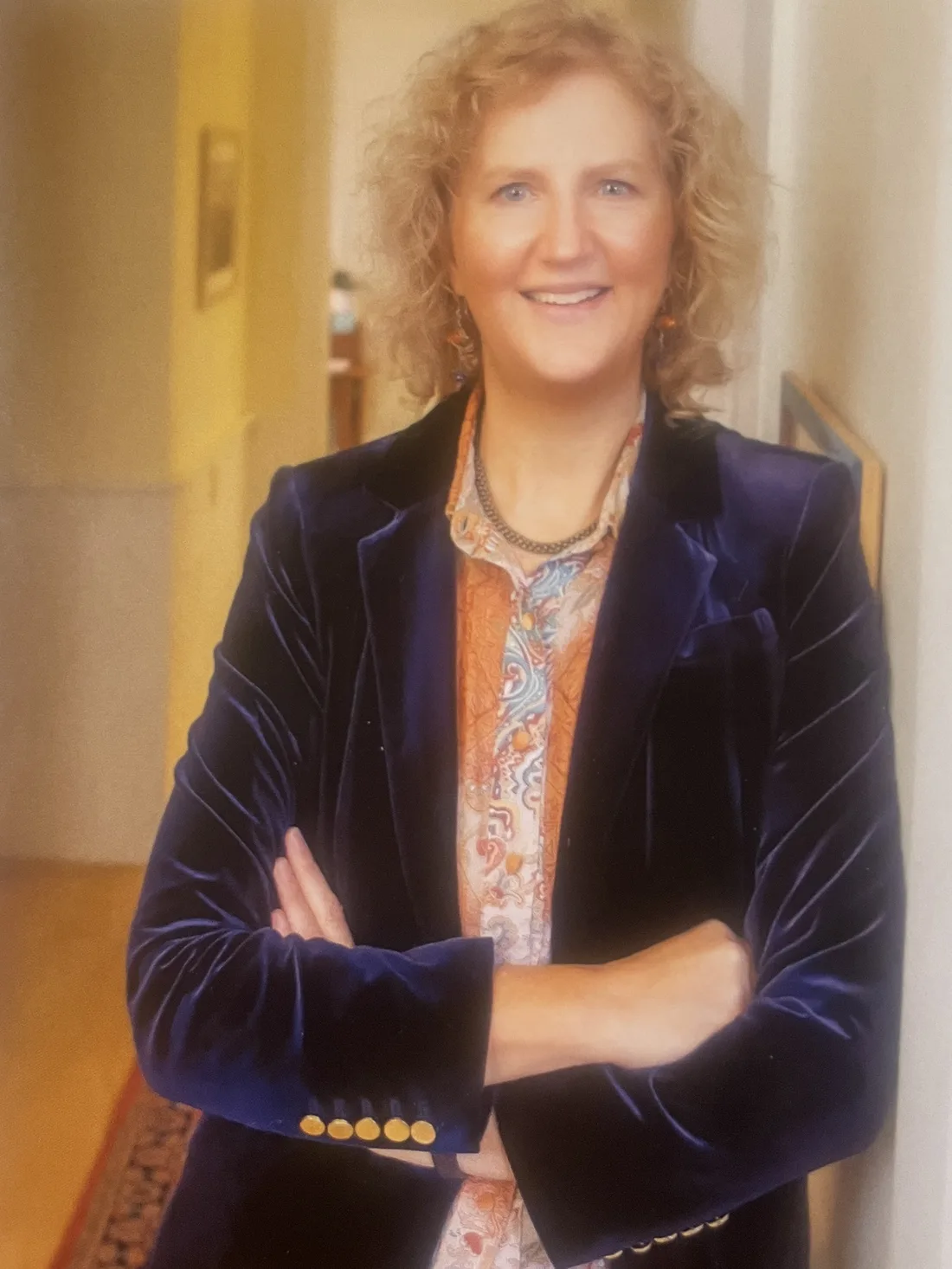
Susan Patten, Lic. Ac.Susan has practiced acupuncture in Newburyport since earning her MA from the New England School of Acupuncture in 2002. She trained in Five Element acupuncture with Lonny Jarrett and treated hundreds of people during seven years at the North of Boston Cancer Resource Center. More about Susan
Sources and further reading
This guide is general education and isn’t individual medical advice. Chinese medicine concepts are presented as a traditional clinical framework, separate from biomedical diagnosis. If you have urgent symptoms, contact your doctor or call 911.