









When one concern touches everything else
Health problems rarely stay in one tidy category. A sore neck makes it hard to sleep. A run of short nights leaves you more sensitive to pain. Stress changes your appetite, your energy and your patience. Many people arrive at acupuncture with one complaint and find there is a longer story behind it.
At Newburyport Acupuncture, Susan Patten makes time to hear that story. Her care draws on Five Element and Eight Principle acupuncture, two traditional ways of reading patterns in a person’s health. She explains what she finds, why she recommends a particular plan, and how you’ll both know whether it’s helping.
This guide covers how Susan works, the concerns that most often bring people in, what the research says about each, and what to expect from your first appointment.
What whole-person acupuncture means
Picture two people who both wake at three in the morning and can’t get back to sleep. One has racing thoughts, tight shoulders and an unpredictable work schedule. The other has night sweats and fatigue that started in perimenopause. They share a symptom. Their stories, and probably their treatment plans, are different.
Chinese medicine pays close attention to those differences. Your consultation will likely cover sleep, appetite, digestion, whether you run hot or cold, mood, energy, menstrual history where relevant, and how your symptoms shift through the day. Susan also asks what you came in for and what feeling better would actually look like in your week.
That fuller conversation often turns up things worth raising with your doctor, habits worth adjusting, and simple ways to track progress. The patterns of Chinese medicine belong to a clinical tradition of their own. They sit alongside medical diagnoses and lab results and are never a replacement for them.
Two traditions, one plan
Susan trained in two frameworks that ask different questions about the same person.
The Five Elements
Wood, Fire, Earth, Metal and Water describe cycles seen in nature and, within Chinese medicine, in people. Each is linked with a season and a quality of change: Wood with spring and growth, Fire with summer and connection, Earth with nourishment and steadiness, Metal with autumn and letting go, Water with winter and reserves. The elements are a symbolic language for patterns over time, used to guide treatment and conversation.
The Eight Principles
Eight Principle diagnosis sorts what a practitioner observes into four pairs: interior and exterior, cold and heat, deficiency and excess, and yin and yang. One person feels chilled and depleted, another hot and tense. The pairs give Susan a structured way to describe those differences and choose a treatment strategy.
Using both lets her treat what is bothering you now while keeping your wider constitution in view. Our guide to Five Element and Eight Principle acupuncture goes deeper, and the Our Approach page shows the cycle visually.
Why people seek acupuncture in Newburyport
Some people want another option for a long-standing problem. Others want support through a period of change. It helps to separate what people commonly come in for from what research has shown, so here is an honest summary of each.
Stress and anxiety
Stress can show up as a clenched jaw, shallow breathing, an unsettled stomach or a mind that won’t switch off at night. Many patients value the hour of rest itself. Research on acupuncture for anxiety is promising but mixed, so results can’t be promised. Read acupuncture for stress and anxiety.
Sleep and insomnia
Trouble falling asleep, waking in the night and waking unrefreshed can each have different causes. Some studies suggest acupuncture improves how people rate their sleep. Cognitive behavioral therapy for insomnia (CBT-I) remains the best-supported first treatment. See acupuncture for insomnia and sleep.
Back, neck and joint pain
Acupuncture has been studied widely for chronic low back pain, neck pain and knee osteoarthritis, with modest benefits for many people. New weakness, loss of bladder or bowel control, or fever with severe back pain need prompt medical care. See acupuncture for back and neck pain.
Perimenopause and menopause
The menopause transition can affect sleep, temperature, mood and energy. Evidence for acupuncture and hot flashes is inconsistent, and it is best discussed alongside established medical options. Susan has supported women through this stage for decades. Read acupuncture during perimenopause and menopause.
Headaches and migraine
There is moderate-quality evidence that acupuncture can reduce how often migraines occur, and some evidence for frequent tension headaches. A sudden severe headache or a major change in your usual pattern needs medical assessment first. See acupuncture for migraines and tension headaches.
What happens at your first appointment
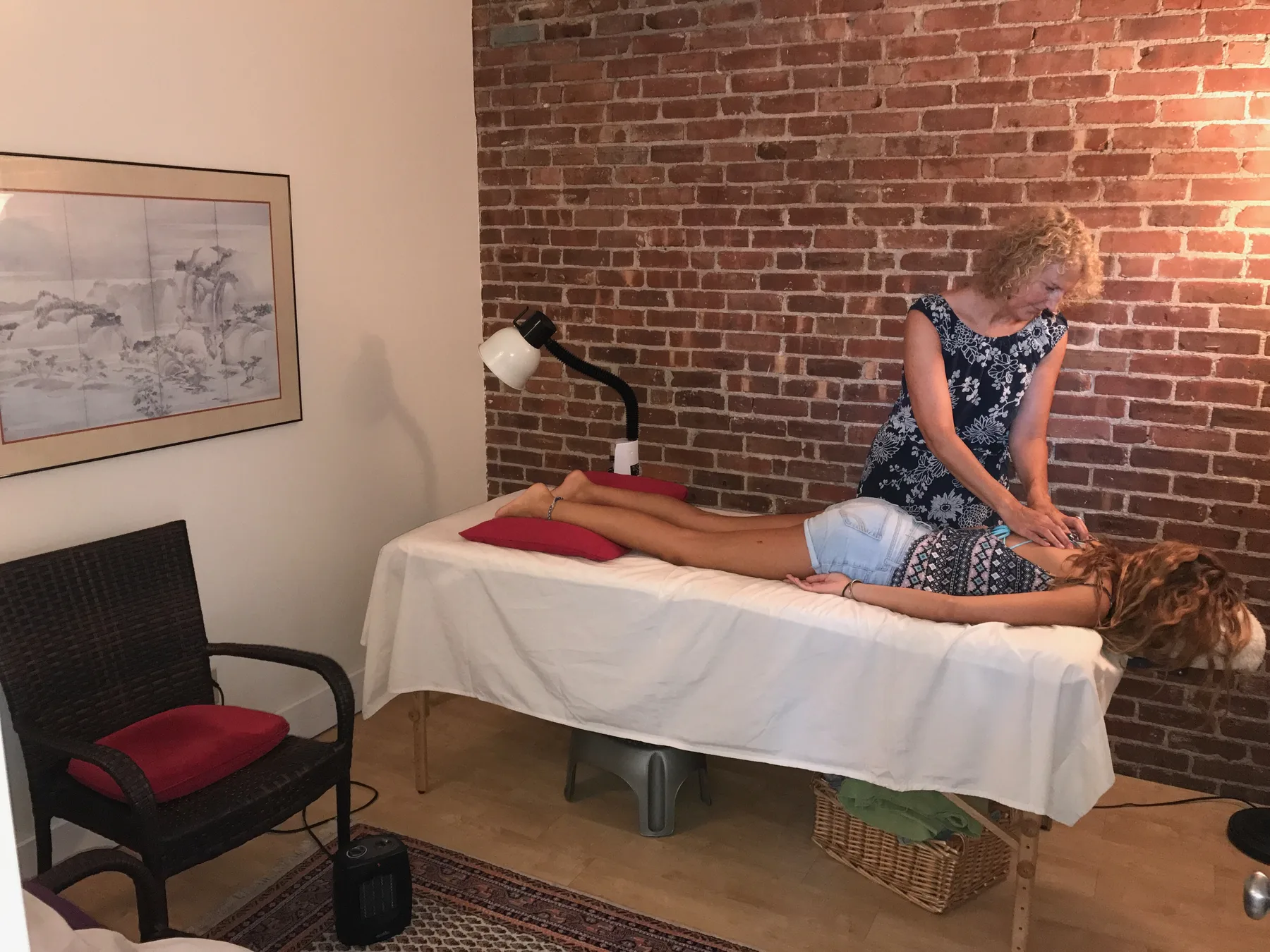
Your first visit lasts 90 minutes and starts with conversation. Susan will ask what brought you in, how long it has been going on, what you have tried and what you hope will change. Some questions may seem unrelated to your main concern. In Chinese medicine, sleep, digestion, energy and stress all help complete the picture.
She may look at your tongue and feel your pulse, two traditional assessment methods. Then she explains her findings and her plan before treatment begins. The needles are extremely fine. You might notice a brief pinch, heaviness or tingling, and many people find the resting part of the treatment deeply relaxing.
Depending on your patterns, your care may also include cupping, gua sha, moxibustion, or advice on diet, nutrition and herbs. Before treatment, tell Susan about any diagnoses, medications (especially blood thinners), pregnancy, bleeding disorders or implanted devices.
The first visit is $175 and follow-up visits of 60 minutes are $125. Susan accepts BCBS, Aetna and Mass General Brigham plans. Full details are on the Your First Visit page.
“Susan’s approach to acupuncture is so thoughtful and attentive, like seeing a friend who leaves you feeling much, much better than when you walked in the door.”
Abbey D., patient
How many treatments will you need?
There is no single schedule that suits everyone. How long you have had symptoms, your goals, your general health and how you respond to the first few visits all matter. Susan will suggest a starting plan and review it with you as you go.
Simple measures make that review easier: headache days in a month, how often pain cuts a walk short, how long it takes to fall asleep, or whether you’re back to an activity you had given up. If those numbers aren’t moving after a fair trial, it is reasonable to change course.
Acupuncture alongside conventional medicine
Acupuncture and medical care can work side by side. Your primary care clinician, physical therapist, therapist or specialist may be looking after parts of your health that acupuncture doesn’t address. Persistent fatigue may need tests for anemia, thyroid problems or sleep disorders. Recurring headaches may need a proper migraine diagnosis.
Researchers are still studying how acupuncture affects the nervous system and surrounding tissues, and the mechanisms aren’t fully understood. Qi, meridians and the elements belong to a different explanatory tradition. Susan is happy to explain how she uses these ideas in practice and where their limits lie.
Choosing an acupuncturist: questions worth asking
Choosing a practitioner is personal. Training, experience and the ability to explain a plan all matter. Good questions include:
- Are you licensed in Massachusetts, and what training shapes your approach?
- Have you worked with people who have concerns like mine?
- How will we decide whether treatment is helping?
- What should I tell my doctor before starting?
- What will it cost, and do you take my insurance?
Susan earned her MA in Acupuncture from the New England School of Acupuncture in 2002, completed Lonny Jarrett’s two-year Clinical Integration program and has studied with him ever since. She spent seven years treating people at the North of Boston Cancer Resource Center. You can read more on the Meet Susan page.
Acupuncture in Newburyport and nearby towns
Newburyport Acupuncture is at 37½ Forrester Street in Newburyport, Massachusetts. Patients come from Newburyport, Amesbury, Rowley, Ipswich, Georgetown, Boxford and Topsfield, from across the North Shore, and from Portsmouth and southern New Hampshire.
Whether you are trying acupuncture for the first time or coming back after a break, you are welcome to call with questions before you book: 978-465-5036.
Frequently asked questions
What is whole-person acupuncture?
It is an approach that looks at your main symptom together with your health history, sleep, digestion, energy, stress and daily life when planning individual treatment.
What is the difference between Five Element and Eight Principle acupuncture?
Five Element theory reads patterns through Wood, Fire, Earth, Metal and Water and the cycles between them. Eight Principle diagnosis sorts findings into four pairs: interior and exterior, cold and heat, deficiency and excess, and yin and yang. Susan draws on both.
Does acupuncture hurt?
Most people feel a brief prick, a dull pressure or a tingle, and treatment is usually comfortable. Tell Susan straight away if anything hurts.
How many acupuncture appointments will I need?
It depends on your concern, how long you have had it and how you respond. Susan will suggest a plan and review it with you as you go.
Can acupuncture replace medical treatment?
No. Acupuncture can complement medical care for some concerns, but it should never delay a diagnosis or replace treatment you need.
Does Newburyport Acupuncture take insurance?
Yes. Susan accepts BCBS, Aetna and Mass General Brigham plans. Coverage varies, so check your acupuncture benefits before your first visit.
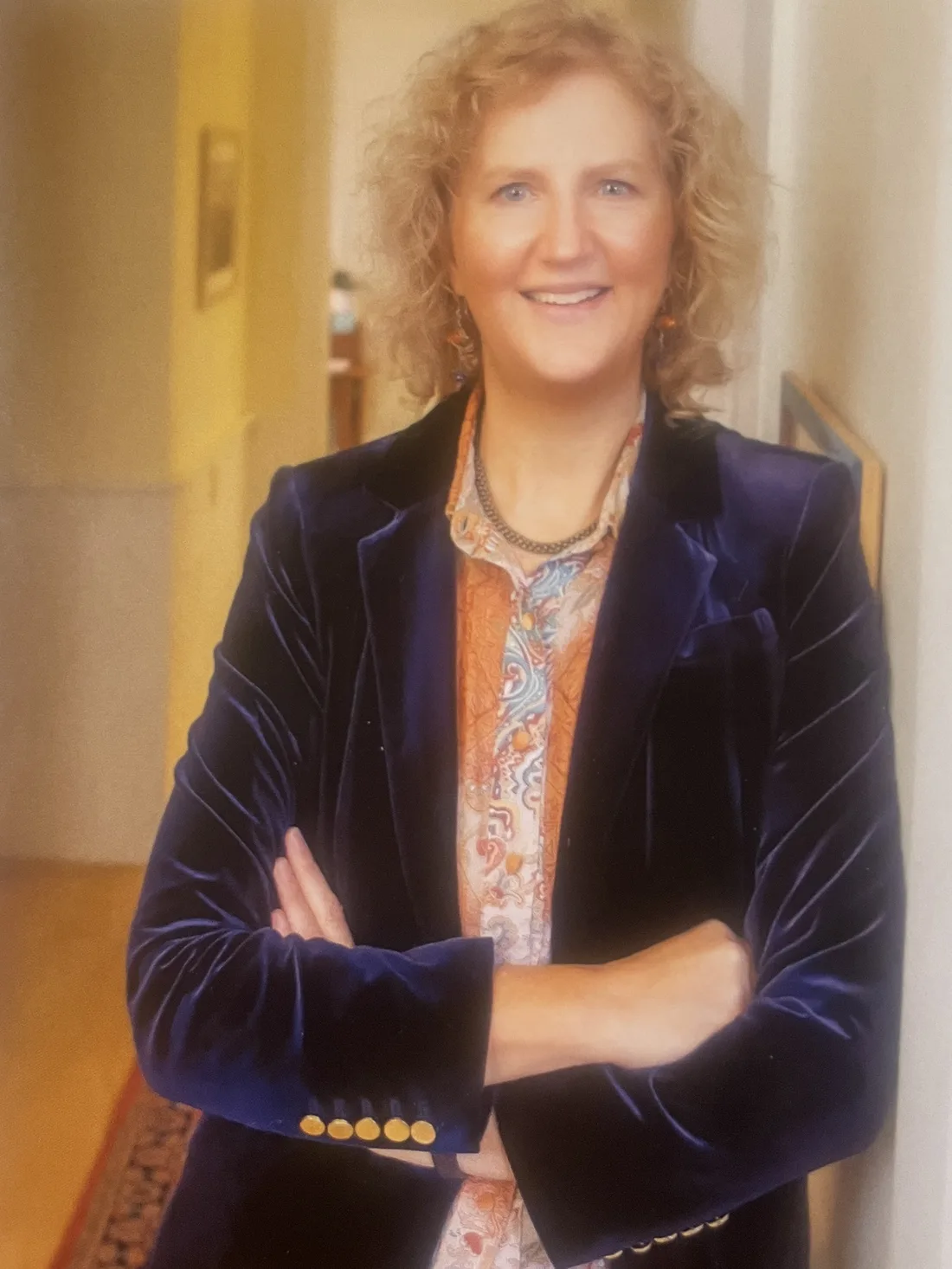
Susan Patten, Lic. Ac.Susan has practiced acupuncture in Newburyport since earning her MA from the New England School of Acupuncture in 2002. She trained in Five Element acupuncture with Lonny Jarrett and treated hundreds of people during seven years at the North of Boston Cancer Resource Center. More about Susan
Sources and further reading
This guide is general education and isn’t individual medical advice. Chinese medicine concepts are presented as a traditional clinical framework, separate from biomedical diagnosis. If you have urgent symptoms, contact your doctor or call 911.