

When pain shapes your day
A stiff neck makes it hard to check your mirrors. Low back pain cuts a walk along the waterfront short or makes a workday at the desk a slog. Sometimes it follows an injury. Often it builds slowly and then stays longer than it should.
People who come to Newburyport Acupuncture for back pain usually bring a history: an old injury, tension that keeps returning, good spells followed by flare-ups, treatments that helped for a while. Susan Patten takes that history seriously. She asks where it hurts and how it affects your life, and also about sleep, stress, movement and energy. An athlete herself, with New Hampshire’s 4,000-footers, triathlons and open-water swims behind her, she knows sports injuries first-hand.
Understanding back and neck pain
Back pain can involve muscles, joints, discs, nerves or several at once. Neck pain may follow long hours at a computer, repetitive movement, an injury or unusual strain. Where it hurts doesn’t always reveal where it comes from. Some people have clear findings on imaging, and others have lasting pain with no single explanation.
Chronic low back pain usually means pain lasting 12 weeks or more. It may feel dull, sharp, tight, aching or burning, worse after rest or worse after activity. Pain that travels down an arm or leg, numbness or weakness deserves particular attention, and your primary care clinician can decide whether you need further tests.
What research says about back pain
There is meaningful evidence that acupuncture can help some people manage chronic low back pain. The National Center for Complementary and Integrative Health lists it among several non-drug approaches that may help.
A large NIH-funded trial published in JAMA Network Open in 2025 followed 800 adults aged 65 and over with chronic low back pain. Those who received acupuncture alongside their usual care reported less pain-related disability at six and twelve months than those who received usual care alone. The effect was modest, and it lasted. It supports acupuncture as a real option for this group, though it can’t guarantee results for every person or every kind of back pain.
For recent, acute pain the evidence is thinner. Exercise, physical therapy and education often remain central. The most useful question is usually how acupuncture fits into a wider plan that helps you move and function better.
Can acupuncture help neck pain?
Research on neck pain is encouraging and uneven. A 2025 meta-analysis in the Journal of Pain Research found that acupuncture may be a safe and effective option, while noting that the evidence ranged from very low to moderate quality and the studies varied widely.
Neck pain often comes with headaches, jaw tension, shoulder tightness or poor sleep. Seeing those links helps decide what to address first. If headaches are a big part of the picture, read acupuncture for migraines and tension headaches.
Why two people with back pain need different plans
Take two people with similar low back pain. One feels worse after sitting and is sleeping badly. The other is stiff on waking, loosens up with gentle movement and hurts after heavy physical work. Both say “lower back pain.” Their histories point to different contributing factors.
Susan combines Five Element and Eight Principle acupuncture. Five Element theory considers patterns across body, emotion and time. Eight Principle assessment weighs qualities such as heat and cold, or excess and deficiency. These traditional frameworks guide her assessment and point selection alongside your medical diagnoses, medications and activity levels. They don’t replace imaging or a neurological exam. Read more in our Five Element and Eight Principle guide.
Depending on your pattern, treatment may also include cupping, gua sha or electro-stimulation. You can see each one on the Treatments page.
“Aches and pains disappear under her expert hands. I am always amazed at the positive response of my body to acupuncture sessions with Susan.”
Mary M., patient
Stress, sleep and the experience of pain
Pain reaches beyond the part that hurts. Poor sleep makes the next day harder. A stressful week tightens your shoulders and makes a familiar ache harder to bear. When pain limits movement, people grow wary of things they used to enjoy.
Asking about sleep, responsibilities and emotional strain helps Susan understand how pain is affecting you, and it can show where a physical therapist or counselor could help too. If tension and worry are prominent, see acupuncture for stress and anxiety. If pain wakes you at night, read acupuncture for insomnia and sleep.
What happens at an appointment
Your 90-minute first visit is a chance to tell the whole story: when the pain began, what makes it better or worse, how it affects your routine and what you’ve tried. Bring any diagnoses, imaging reports and a list of medications and supplements.
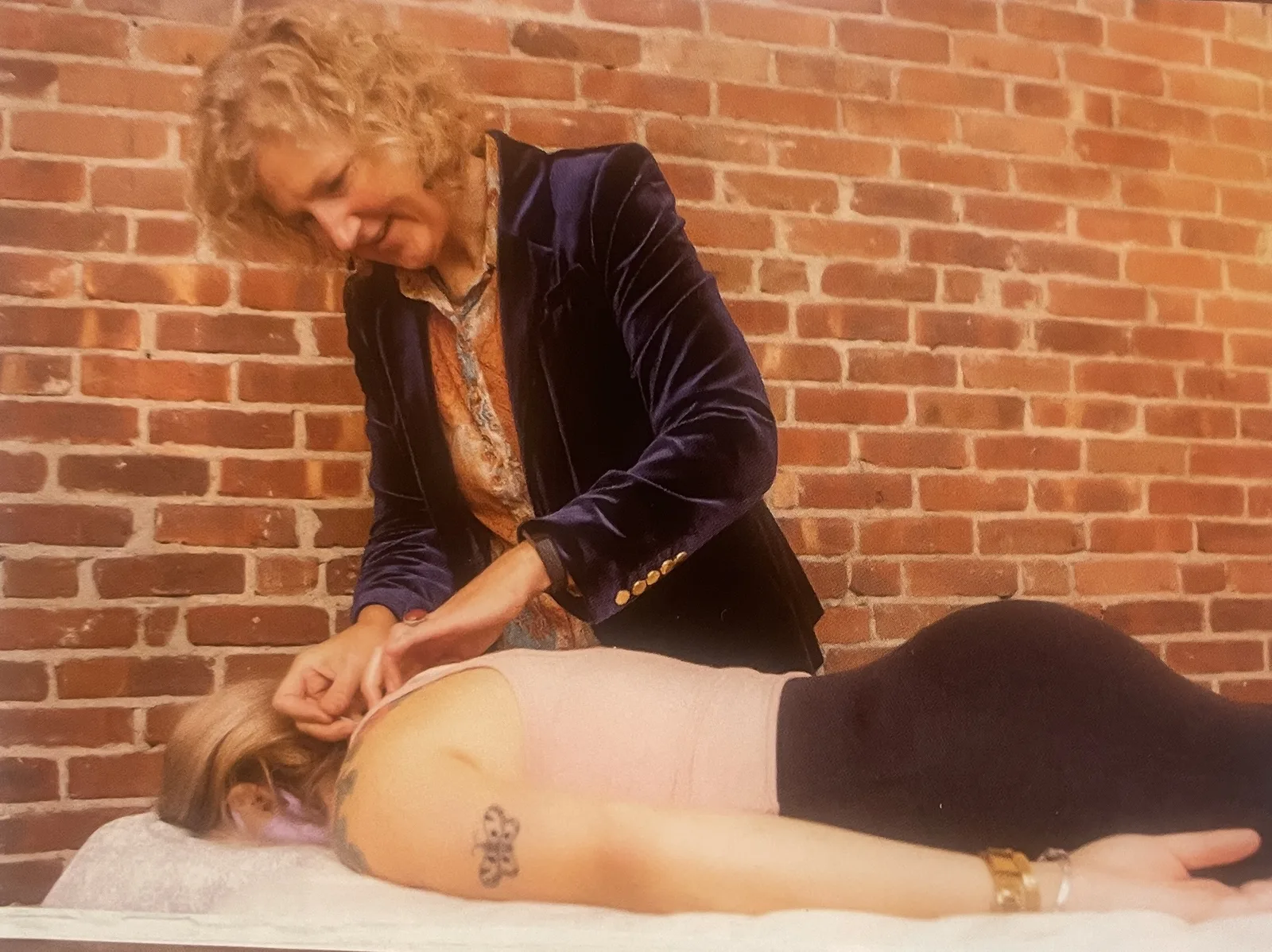
Treatment uses very fine, sterile, single-use needles. You might feel a brief pinch or a dull heaviness, or very little at all. Susan explains what she’s doing, and you’re free to ask questions throughout.
Progress is easier to judge with everyday markers. Can you turn your head more easily, sit longer, walk farther or sleep with fewer interruptions? Pain scores help, but day-to-day function tells more of the story. If the improvement you expected isn’t happening, it’s time to review the plan.
Acupuncture alongside physical therapy and medical care
Persistent pain is often best managed by several kinds of care working together. A physical therapist can help with strength, mobility and a graded return to activity. Your doctor can assess nerve symptoms, medication and anything that needs investigating. Acupuncture can add another way to manage symptoms.
Keep each clinician informed. If an exercise program flares your pain, talk to whoever set it before you give up on movement altogether. Tell Susan about recent procedures, surgery, medications and any change in symptoms. Research doesn’t support claims that acupuncture repairs a disc or corrects a structural problem. The realistic aim is to feel and function better while you continue appropriate care.
When back or neck pain needs prompt medical attention
Get urgent medical care for new problems controlling your bladder or bowels, numbness around the groin, or rapidly worsening leg weakness, especially with back pain. Major trauma, fever with severe spinal pain, or severe symptoms with a known serious illness also need prompt assessment. For the neck, watch for new weakness, trouble walking, a severe headache with neurological changes or pain after a significant injury. Chest pain, trouble breathing or signs of a stroke need emergency care.
Acupuncture is generally safe with a licensed practitioner and sterile needles, but soreness, bruising, dizziness and rare serious complications are possible. Tell Susan if you take blood thinners, have a bleeding disorder or are pregnant.
A simple way to track improvement
Before your first visit, choose two or three everyday activities that pain affects: driving without turning your whole body, sleeping through, carrying groceries, a longer walk. Note how hard each feels now, and jot down when symptoms come and what eases them. Improvement isn’t always a straight line, and one bad day after a good week doesn’t mean treatment has failed. Lasting pain with no real gain in function is a reason to revisit the plan.
Back and neck pain care in Newburyport
Susan has practiced acupuncture since 2002 and sees patients at 37½ Forrester Street. If you live in Newburyport, Amesbury, Rowley, Ipswich, Georgetown or elsewhere on the North Shore or in southern New Hampshire, you’re welcome to call and ask whether an appointment makes sense for you: 978-465-5036.
Frequently asked questions
Can acupuncture help chronic low back pain?
Research suggests acupuncture can reduce pain and modestly improve function for some people with chronic low back pain. Results vary, and it works best as one part of a wider plan.
Does acupuncture help a stiff neck?
Some studies suggest it may help neck pain, though the quality of the evidence ranges from very low to moderate. Persistent or worsening neck pain should be evaluated.
How many treatments will I need?
There is no single schedule. Your plan depends on your symptoms, history, goals and how you respond, and Susan reviews it with you along the way.
Can I combine acupuncture with physical therapy?
Often, yes. Tell each clinician what care you’re receiving so treatments can be coordinated.
Is acupuncture painful?
The fine needles can cause a brief pinch or a dull sensation, but many people feel little discomfort. Tell Susan if anything hurts.
When should I see a doctor instead?
New bladder or bowel problems, numbness around the groin, rapidly worsening weakness, major trauma, fever with severe spinal pain or serious neurological symptoms need urgent medical care.

Susan Patten, Lic. Ac.Susan has practiced acupuncture in Newburyport since earning her MA from the New England School of Acupuncture in 2002. She trained in Five Element acupuncture with Lonny Jarrett and treated hundreds of people during seven years at the North of Boston Cancer Resource Center. More about Susan
Sources and further reading
- NCCIH: Low-Back Pain and Complementary Health Approaches
- DeBar LL, et al. Acupuncture for Chronic Low Back Pain in Older Adults: A Randomized Clinical Trial. JAMA Netw Open, 2025
- NIH Research Matters: Acupuncture for chronic low back pain in older adults
- Xie CR, et al. Effectiveness of Acupuncture for Neck Pain: Systematic Review and Meta-analysis with Trial Sequential Analysis. J Pain Res, 2025
This guide is general education and isn’t individual medical advice. Chinese medicine concepts are presented as a traditional clinical framework, separate from biomedical diagnosis. If you have urgent symptoms, contact your doctor or call 911.