

You don’t need to speak the language
You don’t have to arrive with a Chinese medicine diagnosis. Tell Susan Patten what’s been happening, how long it’s been going on and what you’d like to change. She brings two traditions to that conversation: Five Element acupuncture, which she studied for more than two decades with Lonny Jarrett, and Eight Principle acupuncture.
Why two frameworks?
One patient arrives with headaches, broken sleep and a worn-down feeling. Another has the same headaches but feels overheated, restless and unusually thirsty. Their symptoms overlap and their experiences differ.
Chinese medicine has developed several ways of organizing observations like these. Susan uses Five Element theory and the Eight Principles to ask better questions about your particular experience. They help her structure the interview and choose a treatment, while medical assessment stays important whenever symptoms call for it. Her care always begins with listening, and she explains her plan in plain language.
What is Five Element acupuncture?
Five Element theory describes five connected qualities of the natural world: Wood, Fire, Earth, Metal and Water. In Chinese medicine they offer a language for cycles, relationships and change in a person. They give practitioners a traditional way of noticing patterns across physical symptoms, emotional life and the seasons. They describe qualities and relationships, and they aren’t meant as substances in the body or as personality types.
For a patient, the value is often the breadth of the conversation. Sleep, digestion, energy, temperature, stress and how symptoms have changed over time are considered together. Five Element ideas may inform which points Susan chooses and how she follows your progress across visits. You can explore the full cycle on our Our Approach page.
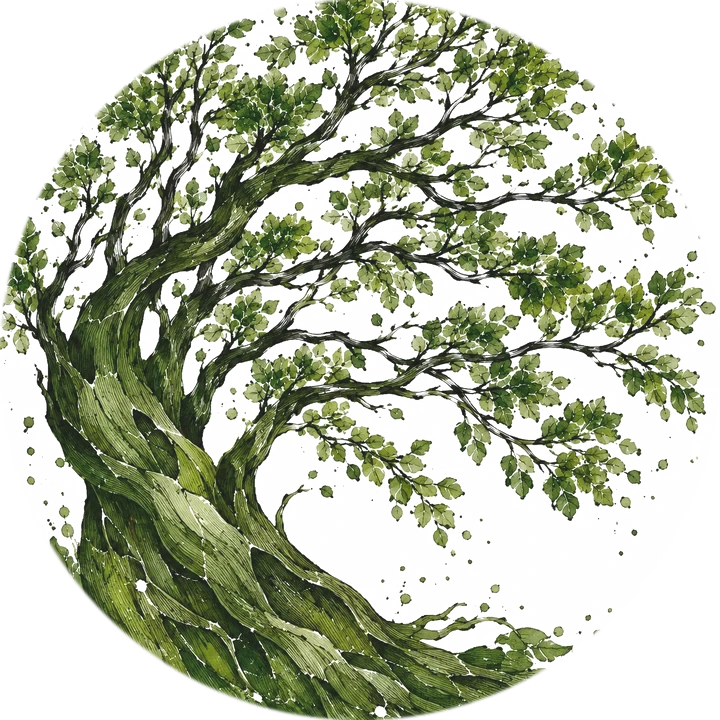 Wood
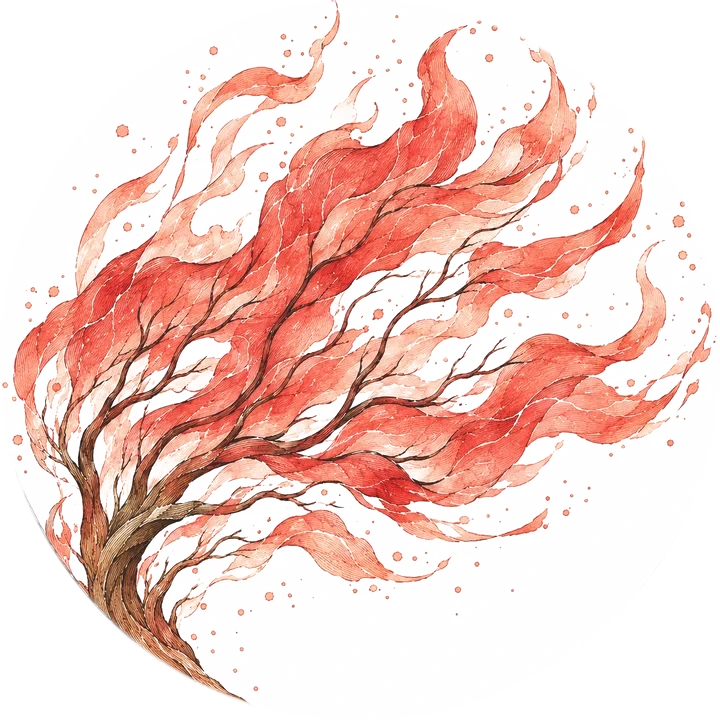 Fire
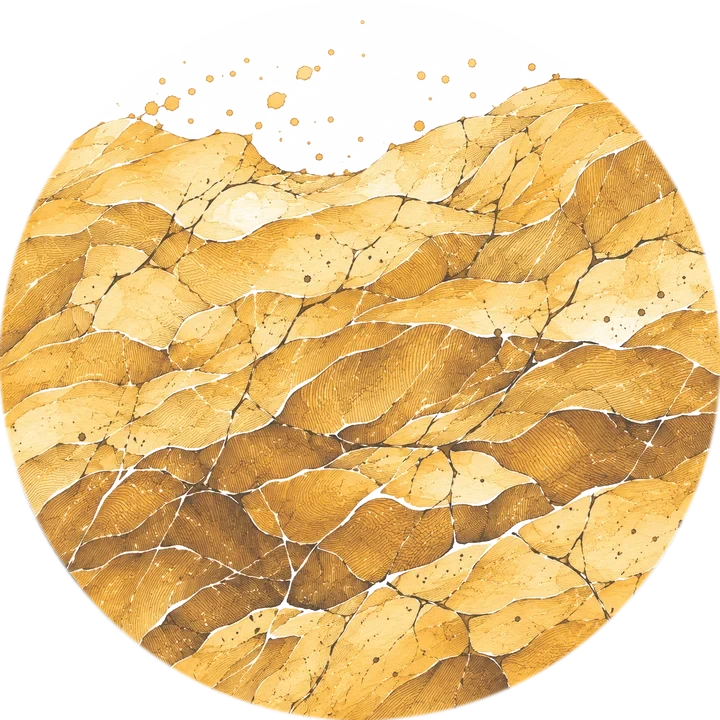 Earth
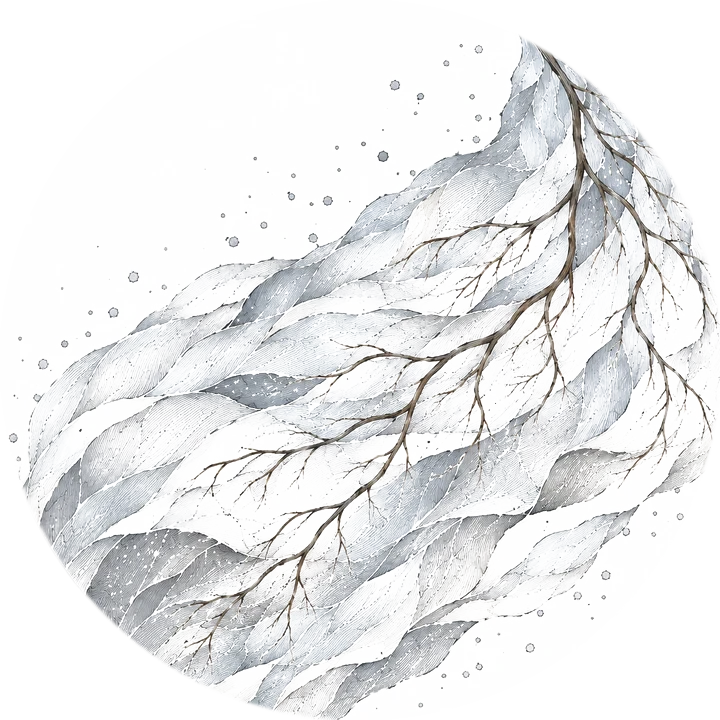 Metal
 Water
Wood: growth and direction
Wood belongs to spring, growth and movement. Practitioners may use Wood language when talking about tension, frustration or feeling stuck. If someone comes in with tension headaches, Susan considers work habits, neck discomfort, sleep and stress alongside the traditional assessment, and still asks the concrete questions: when did they start, what makes them worse, what helps, and has a doctor checked any worrying changes?
“The tapestry of someone’s life, all the different colors and dropped threads.”
Susan Patten, on what drew her to Chinese medicine
Fire: warmth and connection
Fire belongs to summer, warmth and connection. In a Five Element conversation, a practitioner might consider restlessness, broken sleep or how someone copes with periods of intense activity. Those descriptions never replace investigating medical causes of insomnia, palpitations or anxiety. Someone sleeping poorly may need better routines, a sleep study or medical treatment, with acupuncture discussed as one complementary option.
Earth: nourishment and steadiness
Earth belongs to late summer, the harvest and steadiness. Earth questions often cover appetite, digestion and how someone recovers after exertion. Digestive symptoms have many causes, some of which need medical tests, and Susan encourages appropriate care while exploring the wider picture.
Metal: refinement and letting go
Metal belongs to autumn, clarity and boundaries. Its imagery may lead to questions about breathing, grief, change or how someone is adjusting to a hard period. Persistent breathlessness, chest pain or other respiratory symptoms need medical assessment, and acupuncture should never delay urgent care.
Water: reserves and restoration
Water belongs to winter, rest and conserving resources. Practitioners sometimes use it when discussing fatigue, fear, recovery and running on empty. Fatigue is also a symptom of many medical conditions, from anemia to sleep disorders, and deserves investigation when it’s persistent or unexplained.
What are the Eight Principles?
The Eight Principles are four pairs used to describe a pattern. They have specific meanings within Chinese medicine and aren’t interchangeable with medical diagnoses, lab results or a measured temperature. Where Five Element theory explores relationships and cycles, the Eight Principles describe the qualities of what’s happening now, and the assessment can change as your symptoms change.
Interior and exterior
This pair concerns where a pattern is understood to sit. Exterior patterns are often linked with the body’s surface and the early stages of some acute illnesses, and interior patterns with deeper, longer-standing ones. It says nothing about how medically serious something is, so new symptoms, fever or signs of infection still need the usual medical judgment.
Cold and heat
Susan may ask whether you tend to feel chilled, seek warmth, feel unusually hot or notice changes through the day. These are clues within Chinese medicine. Persistent intolerance of heat or cold should still be checked medically.
Deficiency and excess
This pair describes relative depletion or build-up within the system’s theory. Someone with fatigue may be described one way, someone with intense tension another. These labels are separate from nutrient deficiencies or hormone levels.
Yin and yang
Yin and yang summarize complementary qualities such as rest and activity, cooling and warming, inward and outward. They’re central ideas in Chinese philosophy and medicine and useful for explaining relationships and change. You don’t need to adopt the philosophy to benefit from a clear explanation of Susan’s reasoning.
How Susan brings them together
Imagine a patient with recurring tension headaches. Five Element theory prompts questions about their wider life, energy and emotional patterns. The Eight Principles organize what Susan notices about temperature, the character of the pain and other symptoms. She then chooses points for that person and agrees with them what changes to track. Another patient with headaches may get a different plan because their history and goals differ. This illustrates the process and makes no promise about results.
Eight Principle thinking helps her understand what is happening now. Five Element thinking helps her understand who it’s happening to. Together they let her treat the symptom and the person at the same time.
What a first appointment involves
Your 90-minute first visit is the chance to explain why you’ve come and what you hope will improve. Expect questions about your main concern, when it began, your medical history, medications, sleep and digestion. Susan may look at your tongue and feel your pulse before explaining her plan.
The needles are very fine, sterile and single-use, and most people feel little discomfort. Tell her if you’re pregnant, take blood thinners, have a bleeding disorder or an implanted device. Ask about the expected number of visits, fees and how progress will be measured. Details are on the Your First Visit page.
What can acupuncture help with?
Acupuncture has been studied for many concerns, and the quality of evidence varies. Research supports considering it for some chronic pain conditions and for preventing migraine. Evidence is less certain for anxiety, insomnia and some menopausal symptoms. Our guides cover each: stress and anxiety, insomnia and sleep, back and neck pain, perimenopause and menopause and migraines and headaches.
Five Element acupuncture in Newburyport
Susan has practiced since 2002 at Newburyport Acupuncture, 37½ Forrester Street, and sees patients from across the North Shore and southern New Hampshire. Start with our guide to whole-person acupuncture, read about Susan’s training, or call 978-465-5036 to talk about an appointment.
Frequently asked questions
Is Five Element acupuncture different from Eight Principle acupuncture?
Yes. Five Element theory explores relationships and cycles through Wood, Fire, Earth, Metal and Water. The Eight Principles organize traditional pattern qualities into four pairs. Susan draws on both.
Do I need to understand Chinese medicine before my appointment?
No. Describe your symptoms in ordinary language, and Susan will explain how she reads them and what she recommends.
Will my element decide which points I receive?
A Five Element assessment may inform treatment, but point selection also depends on your current symptoms, history and other findings. It isn’t a fixed recipe.
Can Five Element or Eight Principle diagnosis replace medical testing?
No. They are traditional frameworks and don’t replace conventional diagnosis, screening or urgent care.
Is acupuncture safe?
With a licensed practitioner using sterile, single-use needles, serious complications are uncommon, though some risk exists. Discuss your medical history before treatment.
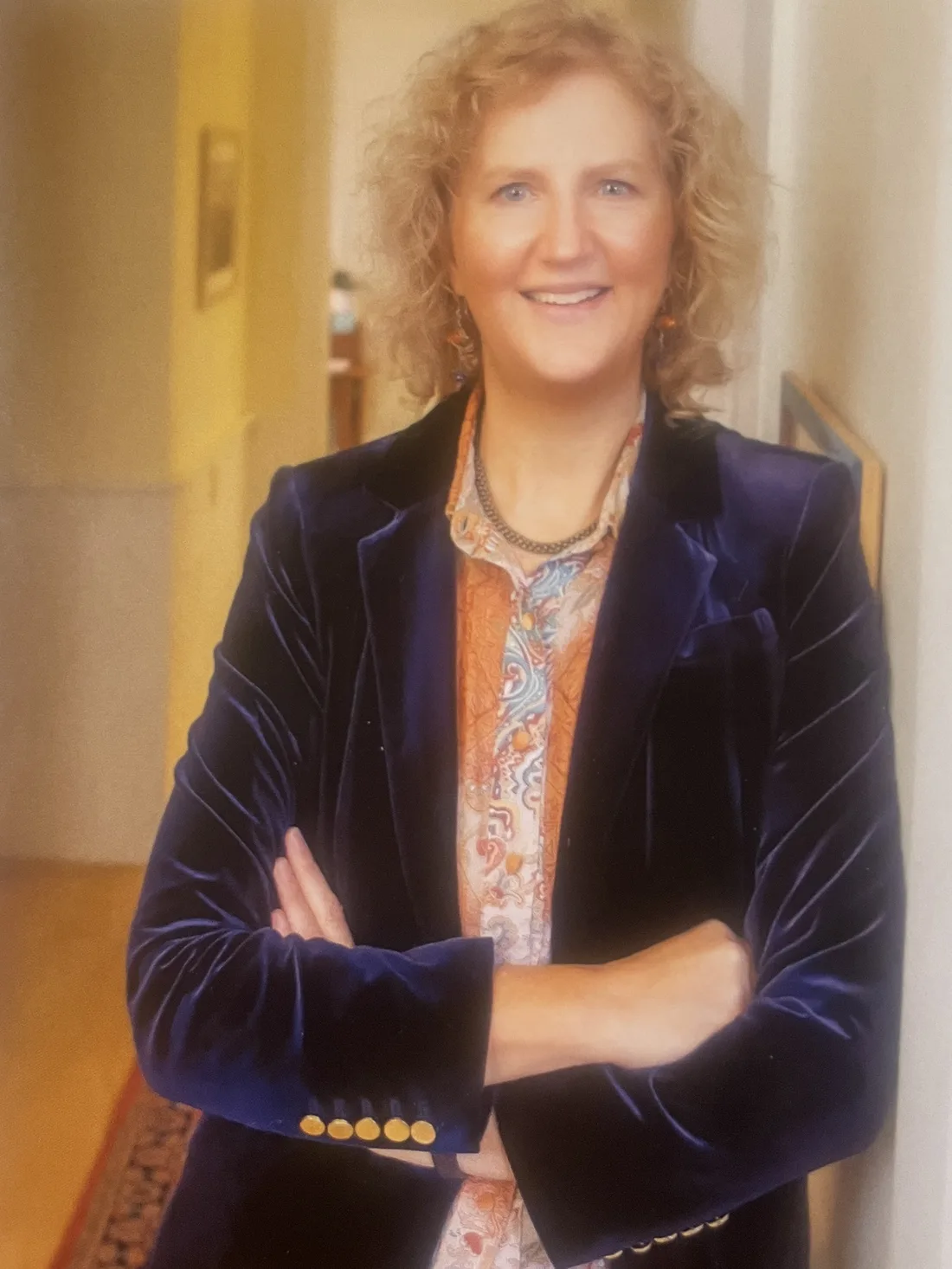
Susan Patten, Lic. Ac.Susan has practiced acupuncture in Newburyport since earning her MA from the New England School of Acupuncture in 2002. She trained in Five Element acupuncture with Lonny Jarrett and treated hundreds of people during seven years at the North of Boston Cancer Resource Center. More about Susan
Sources and further reading
This guide is general education and isn’t individual medical advice. Chinese medicine concepts are presented as a traditional clinical framework, separate from biomedical diagnosis. If you have urgent symptoms, contact your doctor or call 911.