When perimenopause arrives gradually
It can start so gradually that you barely notice. You begin waking at three in the morning. A room that never bothered you feels too warm. Your patience runs shorter than it used to, and your periods become harder to predict. Some days you have energy to spare, and on others ordinary jobs take real effort. When several changes arrive at once, it can be confusing.
Susan Patten has supported women through fertility, pregnancy, postpartum, perimenopause and menopause for decades. In Five Element terms, this stage belongs to autumn and Metal: a season of letting go and refining what matters. Her approach draws on Five Element and Eight Principle acupuncture and respects the role of medical evaluation and established menopause treatments.
Understanding the transition
Perimenopause is the run-up to menopause. Estrogen and progesterone fluctuate and ovulation becomes less predictable, sometimes for years before the final period. Menopause is reached after twelve months in a row without a period when there’s no other explanation.
Hot flashes and night sweats are the best-known symptoms. Sleep may get lighter, vaginal dryness may develop, and mood, concentration and response to exercise can change. Some women notice very little. Others find the changes affect work, relationships and daily comfort.
Not every midlife symptom is hormonal. Thyroid problems, anemia, depression and sleep apnea can look similar, so new, severe or unusual symptoms deserve a medical evaluation.
Why women seek acupuncture during menopause
Some come because night sweats wreck their sleep. Others are dealing with headaches, tension or feeling constantly on edge. Many are already using hormone therapy or another treatment and want more ways to look after themselves.
Hot flashes and night sweats. A brief daily record of how often and how intense they are makes it much easier to tell whether any treatment is helping.
Interrupted sleep. Night sweats are one cause, and anxiety, alcohol, medications and sleep disorders can add to it. Our guide to acupuncture and insomnia looks more closely at sleep.
Stress and mood. Life doesn’t pause for perimenopause. Lost sleep makes stress harder to handle, and stress makes rest harder to find. Read acupuncture for stress and anxiety.
Headaches and tension. Hormonal shifts can change some people’s headache patterns. See our migraine and headache guide.
How Susan approaches menopause
Chinese medicine describes health in a different language. Susan uses two traditional frameworks to organize her assessment. Neither measures hormone levels, and neither substitutes for a medical diagnosis.
The Five Elements (Wood, Fire, Earth, Metal and Water) describe relationships and recurring patterns. A practitioner may consider how emotional life, sleep, energy and digestion connect within those patterns. The Eight Principles organize findings into four pairs: interior and exterior, heat and cold, excess and deficiency, and yin and yang. Two women with night sweats can have different accompanying symptoms and histories, so their acupuncture plans may differ.
That’s why the 90-minute first visit matters. Susan wants you to understand her assessment and the reasons behind your plan. Read more in our Five Element and Eight Principle guide.

What the research says
The research is mixed, and that should shape your expectations. Some trials comparing acupuncture with no treatment report fewer hot flashes or better quality of life. When acupuncture is compared with sham acupuncture, the difference in how often hot flashes occur is usually small or absent.
A Cochrane review found no significant difference in hot flash frequency between real and sham acupuncture, though flashes were less severe in the acupuncture groups. The authors rated the evidence low or very low quality. The National Center for Complementary and Integrative Health notes that hormone therapy generally works better than acupuncture for hot flashes.
The International Menopause Society’s 2026 recommendations keep menopausal hormone therapy as the standard treatment and advise that women who choose complementary therapies use them alongside it. For women who enjoy acupuncture and find it helps, it can be a reasonable addition after an honest discussion of goals, cost and alternatives. Susan won’t promise that acupuncture will rebalance hormones or eliminate hot flashes.
“Susan is calming, professional, reassuring and non judgemental.”
J.H., patient
Acupuncture alongside medical care
There are effective medical options for many menopausal symptoms, including hormone therapy, non-hormonal prescriptions, vaginal treatments and cognitive behavioral approaches for sleep and hot-flash distress. The right choice depends on your own risks and preferences.
Tell Susan about your medications, hormone therapy, supplements and diagnoses, and tell your prescriber about any complementary care. Some symptoms need medical attention first: bleeding after menopause, heavy or prolonged bleeding during perimenopause, chest pain, fainting, a severe headache or sudden neurological symptoms.
Day to day, notice whether caffeine, alcohol, a warm room or late meals affect your sleep or hot flashes. Regular movement, a steady sleep schedule and a conversation with your doctor about bone and heart health all support you through this stage.
What to expect at Newburyport Acupuncture
Your first appointment is 90 minutes and follow-ups are 60. Susan will ask about menstrual changes, hot flashes, sleep, digestion, pain, energy, medications and your goals. Some questions may seem unrelated, and in Chinese medicine they all help form the picture. She explains her findings in plain language.
Treatment uses very fine, sterile needles. Many women describe a brief sensation on insertion, then a period of deep rest. Depending on your pattern, Susan may also discuss diet, nutrition and herbal options. Track the number of night sweats, sleep interruptions or difficult days, and review the plan together if a course of care isn’t making a worthwhile difference.
Menopause care in Newburyport and nearby
Newburyport Acupuncture is at 37½ Forrester Street and sees women from Newburyport, Amesbury, Rowley, Ipswich, Topsfield, Boxford, Georgetown, Portsmouth and southern New Hampshire. If perimenopause or menopause is affecting your daily life, call to talk about whether a first visit makes sense: 978-465-5036.
Frequently asked questions
Can acupuncture help with menopausal hot flashes?
Some studies show improvement compared with no treatment, but studies against sham acupuncture generally haven’t shown a clear difference in hot flash frequency. It can be explored as complementary care with realistic expectations.
Is acupuncture useful during perimenopause?
Some women seek it for sleep disruption, stress or other concerns during perimenopause. Research is limited, so discuss your symptoms and options with a qualified clinician.
Can acupuncture balance estrogen or progesterone?
There is no reliable evidence that acupuncture restores hormones to a particular level, and menopause care shouldn’t depend on that claim.
Can I have acupuncture while taking hormone therapy?
Yes, many women use complementary care alongside prescribed treatment. Tell both Susan and your prescriber about everything you’re using.
How many visits will I need?
There is no set number. Susan will propose a plan after your assessment, and you can track whether your symptoms change in a meaningful way.
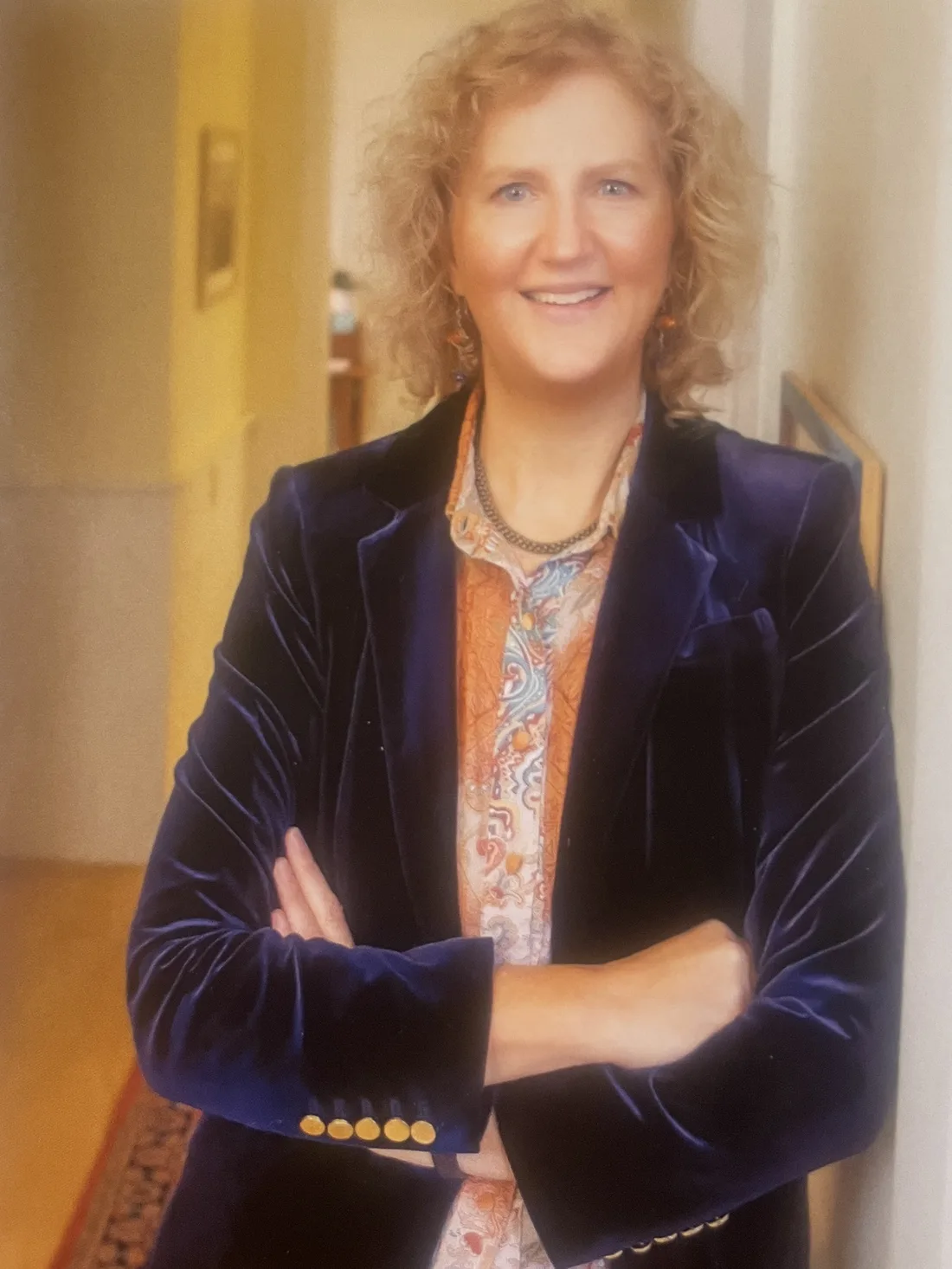
Susan Patten, Lic. Ac.Susan has practiced acupuncture in Newburyport since earning her MA from the New England School of Acupuncture in 2002. She trained in Five Element acupuncture with Lonny Jarrett and treated hundreds of people during seven years at the North of Boston Cancer Resource Center. More about Susan
Sources and further reading
This guide is general education and isn’t individual medical advice. Chinese medicine concepts are presented as a traditional clinical framework, separate from biomedical diagnosis. If you have urgent symptoms, contact your doctor or call 911.